Before white settlers came to to dᶻidᶻəlalič in 1852, before they came to sčəgʷaliču in 1832, even before they first sighted the shores of x̌ʷəlč in 1792, the dxʷdəwʔabš were here, living at sluʔwił and šilšul, babaqʷəb and t’uʔəlalʔtxʷ, and paq’ác’ałčuʔ and səxʷt’ičib, by the lakes called c’alq’ʷadiʔ and sisałtəb and dxʷƛ’əš and xáx̌əʔčuʔ, and most of all xačuʔ — the lake — the smaller ones being fed by springs like liq’təd where the waters run red, the lake being fed by the river whose mouth was at ƛ’ax̌ʷadis, but one by one their names were replaced by the settlers, who though they named the city for siʔał and the river for the dxʷdəwʔabš nevertheless named places Pioneer Square for themselves, or Fremont for where they came from, or Brooklyn for that which they aspired to be, and while šilšul became Shilshole and liq’təd became Licton, other dxʷləšúcid names were left unwritten and hardly spoken for decades but still remembered — so let Carkeek remain Carkeek, but know that it was once and is still kʷaatəb, as Montlake is still stəx̌ʷugʷił, the Locks, which lowered xačuʔ and xáx̌əʔčuʔ, still xʷiwálqʷ, and University Village still sluʔwił village, and celebrate that wǝɫǝbʔaltxʷ now sits where Whitman and Stevens meet.
This piece (originally titled “Lushootseed names remain”) appeared as the first item in One-Sentence Stories: An Intriguing New Anthology of Stories Told in a Single Sentence, Book 2, compiled by Val Dumond in 2018. Apparently I was the first potential contributor to ask if the story could be non-fiction. There was a minimum length of 200 words — this comes in at 203.
The names are in the dxʷləšúcid or Lushootseed language, spoken by many of the Coast Salish Native American tribes in the Puget Sound region. They are written in the Lushootseed alphabet, which is based on the International Phonetic Alphabet.
I selected most, though not all, of the names by using the Burke Museum’s Waterlines Project map. They appear below, along with their translations and the current, settler-given names.
- dᶻidᶻəlalič — Little Crossing-Over Place — Pioneer Square
- sčəgʷaliču — Extensive Sand Banks Over Which the Water Is Shallow/Big Tide/Long Run-Out — Sequalitchew/Fort Nisqually/DuPont
- x̌ʷəlč — Salt Water — Puget Sound
- dxʷdəwʔabš — People of the Inside (Elliott Bay) — Duwamish
- sluʔwił — Little Canoe Channel — University Village
- šilšul — Tucked Away Inside — Salmon Bay (Shilshole is one of two unchanged Native names within Seattle city limits)
- babaqʷəb — Little Prairie — Belltown
- t’uʔəlalʔtxʷ — Herring’s House — West Seattle Industrial District
- paq’ác’ałčuʔ — Brush Spread on the Water — West Point
- səxʷt’ičib — Place Where One Wades — Lakeridge
- c’alq’ʷadiʔ — Blackcaps on the Sides — Bitter Lake
- sisałtəb — Calmed Down a Little — Haller Lake
- dxʷƛ’əš — translation unknown — Green Lake
- xáx̌əʔčuʔ — Small Lake — Lake Union
- xačuʔ — Lake — Lake Washington
- liq’təd — Red Paint — Licton Springs, the other unchanged Native name within Seattle city limits
- ƛ’ax̌ʷadis — The Growing Place — Squawk (Squak) Slough, mouth of the Sammamish River at Kenmore
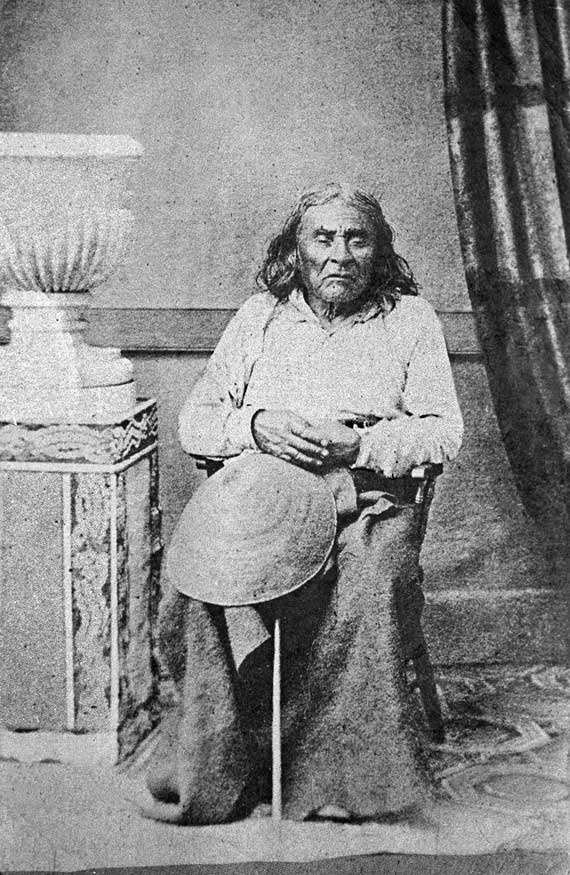
- siʔał — personal name — Chief Seattle (Sealth)
- dxʷləšúcid — Salt Water Language — Lushootseed
- kʷaatəb — Dropped Down — Piper’s Creek at Carkeek Park beach
- stəx̌ʷugʷił — Carry a Canoe (Portage) — Montlake Cut from Union Bay to Portage Bay
- xʷiwálqʷ — Lots of Water — Commodore Park (Magnolia side of Ballard Locks)
- wǝɫǝbʔaltxʷ — Intellectual House

Born and raised in Seattle, Benjamin Donguk Lukoff had his interest in local history kindled at the age of six, when his father bought him settler granddaughter Sophie Frye Bass’s Pig-Tail Days in Old Seattle at the gift shop of the Museum of History and Industry. He studied English, Russian, and linguistics at the University of Washington, and went on to earn his master’s in English linguistics from University College London. His book of rephotography, Seattle Then and Now, was published in 2010. An updated version came out in 2015.